These 6 Alabama rivers have the state’s biggest gator habitatsJennifer Lindahl,
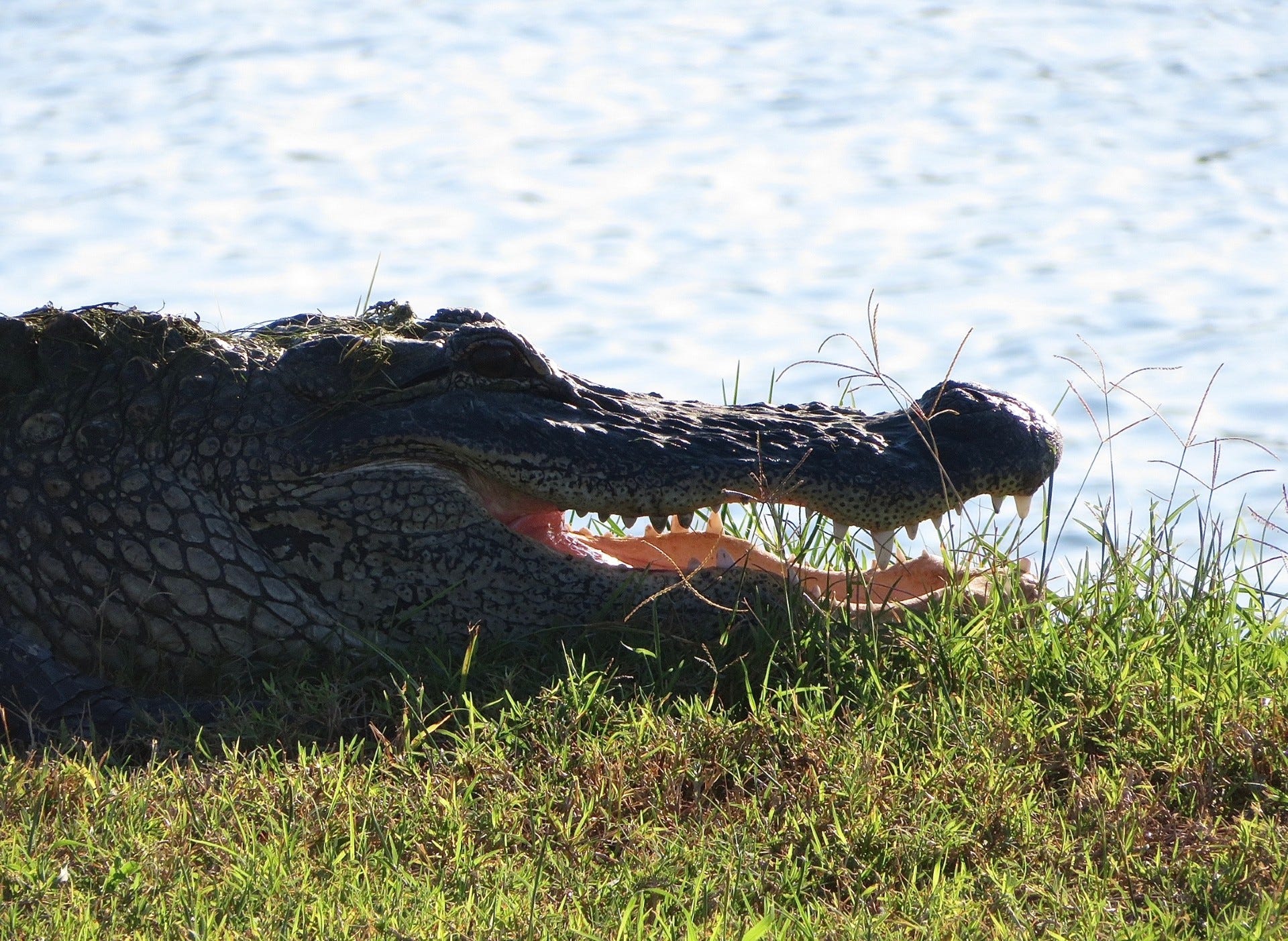
Alabama is home to an estimated 70,000 alligators, and a new World Atlas list highlights six rivers where the reptiles are present.
The list includes waterways in southern Alabama, where wetlands, marshes and slow-moving water provide favorable conditions for the state’s American alligator population.
It also includes the Tennessee River, where alligators have been spotted much farther north than many people might expect.
Here are the six rivers identified by World Atlas and why they stand out.
What are the six Alabama rivers with the most alligators?
World Atlas names the following six waterways:
Alabama River: A 318-mile river in southern Alabama with tributaries, backwaters and quieter sections that provide suitable alligator habitat.
Perdido River: A 60- to 65-mile blackwater river along the Alabama-Florida border, surrounded by marshes and wetlands.
Mobile River: A 45-mile waterway flowing into Mobile Bay, where alligators have been found near the city of Mobile.
Tensaw River: A 41-mile river within the expansive Mobile-Tensaw River Delta, a landscape filled with swamps, lakes and wetlands.
Conecuh River: A 230-mile river that flows from southeastern Alabama into Florida, supporting abundant freshwater fish and wetland habitats.
Tennessee River: A 652-mile waterway that crosses northern Alabama and has provided a route for alligators to spread farther north.
Why are these Alabama rivers attractive to alligators?
The common denominator among the six rivers is their surrounding habitats.
Alligators prefer freshwater environments with plenty of vegetation, access to food and places where they can remain relatively undisturbed. Southern Alabama’s wetlands, marshes and slow-moving waterways offer many of those conditions.
The Mobile-Tensaw River Delta is a particularly notable example. Covering approximately 260,000 acres, the delta contains an extensive network of waterways, cypress swamps and wetlands that support a wide range of wildlife.
The Conecuh River also provides a substantial food supply, with World Atlas noting that its ecosystem supports 84 species of freshwater fish.
What is the biggest alligator ever caught in Alabama?
One of the most impressive alligator catches associated with the list came from the Alabama River.
In August 2014, Mandy Stokes and her family captured a massive alligator near Millers Ferry in Wilcox County. The animal weighed 1,011.5 pounds and was reported to measure 15 feet, 9 inches long.
Other large catches mentioned by World Atlas include a 13-foot-7-inch, 620-pound alligator in the Alabama River and a 12-foot-3.5-inch, 518-pound animal caught in the Mobile River in 2023.
A separate 12-foot-9-inch alligator weighing 524 pounds was caught in nearby Mobile Bay.
What happens to Alabama alligators during the winter?
Alligators don’t disappear when temperatures drop. Instead, they enter a period of reduced activity called brumation, a dormant state similar to hibernation that helps reptiles conserve energy during colder weather.
As temperatures fall, alligators slow their metabolism, eat less often, and spend more time in protected areas such as underwater dens, muddy banks and burrows. They can remain in these sheltered spots for extended periods without eating.
Alabama’s relatively mild winters mean alligators may still be spotted on warmer days, particularly in the southern part of the state.
Although they become less active during winter, alligators don’t leave their habitats. They remain in the state’s rivers, wetlands and swamps, becoming more active again as temperatures warm in spring.
Staying safe around alligators in Alabama
Outdoor Alabama recommends never feeding alligators, keeping pets away from the water’s edge and staying alert around freshwater, especially between dusk and dawn when alligators are most active.
Wildlife officials also advise giving alligators plenty of space.
While attacks on humans are rare, alligators can become aggressive if they’re fed, harassed or cornered.
Jennifer Lindahl is a Breaking and Trending Reporter in Alabama for USA TODAY’s Deep South Connect Team. Connect with her on X @jenn_lindahl and email at jlindahl@usatodayco.com.
This article originally appeared on Montgomery Advertiser: These 6 Alabama rivers have the state’s biggest gator habitats
Source: Nature
