Florida black bears den now, so never approach a mother with cubsTimothy O'Hara, Treasure
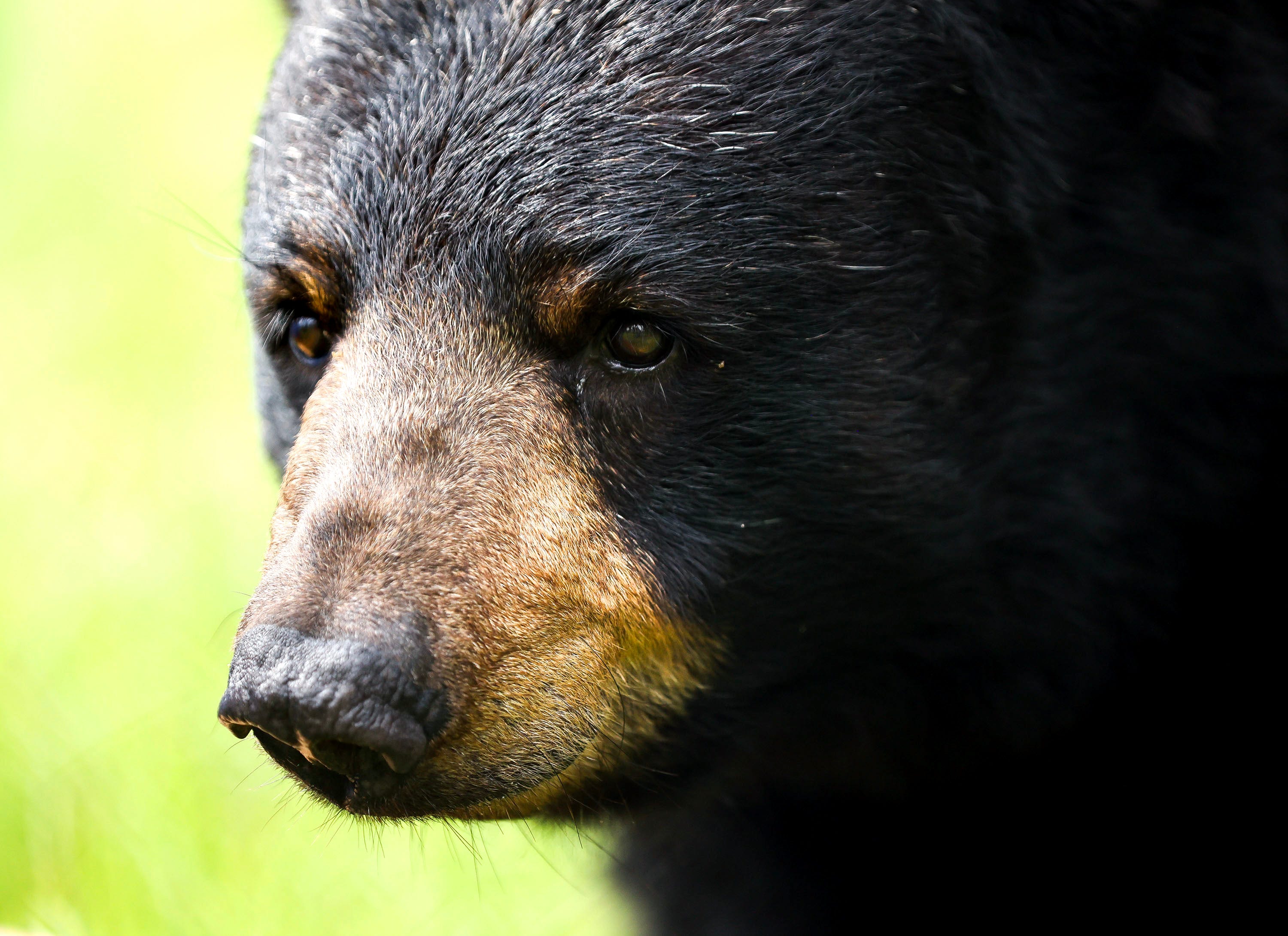
There are many misconceptions about bears, so understanding them can lessen fear.
Bears typically avoid dogs and won't attack unless provoked, for instance.
"Dogs used to be dire wolves and used to eat bears. Bears still see dogs as a threat," said Mike Orlando, Florida Fish and Wildlife Conservation Commission's bear management program coordinator. He said he's heard about aggressive dogs — even chihuahuas — chasing bears up trees.
There are about 4,050 native black bears in Florida.
Florida black bears: 10 ways to coexist without killing this native species
Bears typically are shy and avoid humans, so they don't want to live in your neighborhood. Some seasonal activity can increase or decrease chances of seeing a bear in your neighborhood:
Breeding: From June-August, bears are busy reproducing. While males can be aggressive toward each other, they typically are not aggressive toward people.
Hyperphagia: From late summer-early winter, bears spend 20 hours a day packing on calories and body fat to prepare for cooler months ahead. They gorge on plants and bugs such as ants, grubs, beetles and stick bugs. If small animals are an easy catch, bears will eat deer fawn, wild piglets and armadillos, Orlando said.
Denning: From December-February, activity slows as mothers birth and nurse cubs. Never approach a mother bear with cubs because she may become defensive and protective.
Dispersal: From March-July, young males, ages 1½ to 2½ years old, leave their mothers and wander aimlessly to find their own territory. Unfamiliar with urban development, they inadvertently stumble into neighborhoods.
Bear hunting: The FWC allows bears to be hunted despite other ways to control population. After another decade-long hiatus, the FWC officially voted to reinstate a highly regulated, annual lottery-permit bear hunting season starting on Dec. 6, 2025.
If garbage, pet food and bird feeders are not available to them, bears have no reason to linger in a developed area and typically will leave on their own, Orlando said.
"They don't have maps or GPS. They don't know where the cities' boundaries are," Orlando said. "We have had five or six in downtown Orlando. The ones in your area (Treasure Coast) just show up and leave. ... Bears are very adaptable.
More information at FWC BearWise
Keep track of sightings at app.myfwc.com and report sightings at app.myfwc.com/fwri/blackbear.
Call FWC’s Wildlife Alert Hotline at 888-404-FWCC (3922) if you find an injured or orphaned bear; see or even suspect someone of feeding bears; or feel threatened by a bear.
Visit BearWise.com to learn more about living in bear country and keeping bears and people safe on roadways.
Visit MyFWC.com/bear and the Brochures and Videos section for a video titled “Vehicle Collisions with Bears.”
Tim O'Hara is TCPalm's St. Lucie watchdog, environment and fisheries reporter. Contact him at tim.ohara@tcpalm.com.
This article originally appeared on Treasure Coast Newspapers: Florida black bears den now, so never approach a mother with cubs
Source: Nature



0 Comments