Barn Owls Are Beautiful—and They Can Eat Thousands of Rodents. Here’s How to Help Them
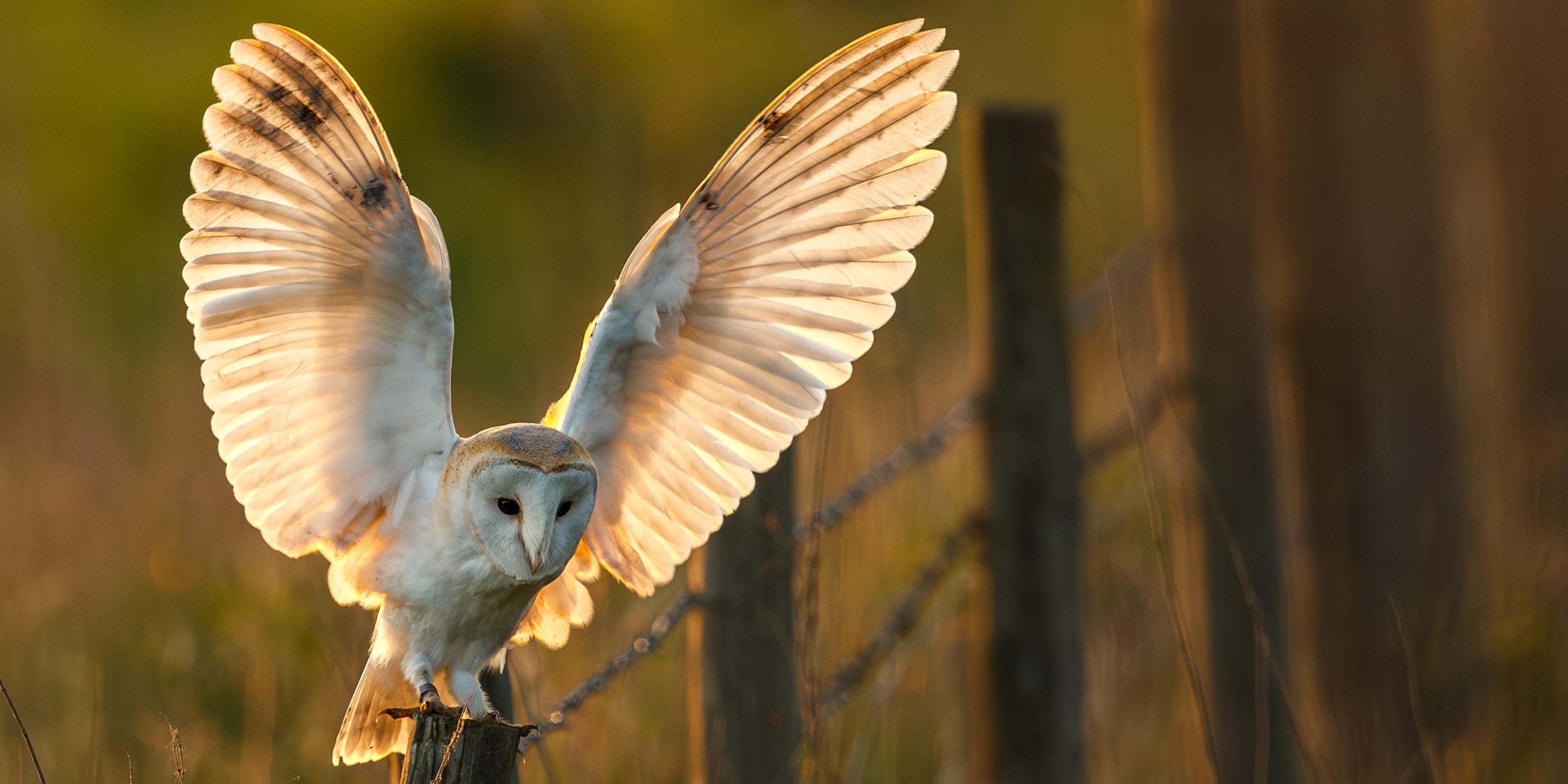
Expert Tips to Help Barn Owls ThriveGavin Bickerton-Jones - Getty Images
If you’ve been following the New York City barn owls, there’s good news: the family of two adults and five fledglings appears to be safe. But after construction workers disturbed the Manhattan water tower where they roosted, the owls moved on.
The species, which has never been known to nest in Manhattan before, is an incredibly efficient bird of prey and beautiful to boot. And now that the recent saga has put them in the spotlight, you may be wondering what these beautiful hunters need to thrive.
Whether you’re hoping for a barn owl to lend a talon with rodent control, or you would just enjoy seeing the magical critters peering down at you from your treetops, there are things you can do to make your property more, shall we say, whoo-spitable to them. We checked in with two experts, Robert Mulvihill and Holly Grant, for advice—and learned that by giving a hoot about barn owls, you’re not just helping the species but your own patch of Mother Earth, too.
“Making your yard ideal for barn owls means making sure their prey is present and healthy, as well as their prey’s food,” says Holly, project assistant for NestWatch at the Cornell Lab of Ornithology. “In the case of barn owls, that means helping to make sure rodents, bats, and rabbits are healthy, too. Diverse, wildlife-friendly yards can help the local ecosystem thrive by providing an oasis of resources, especially in more urban or developed areas.”
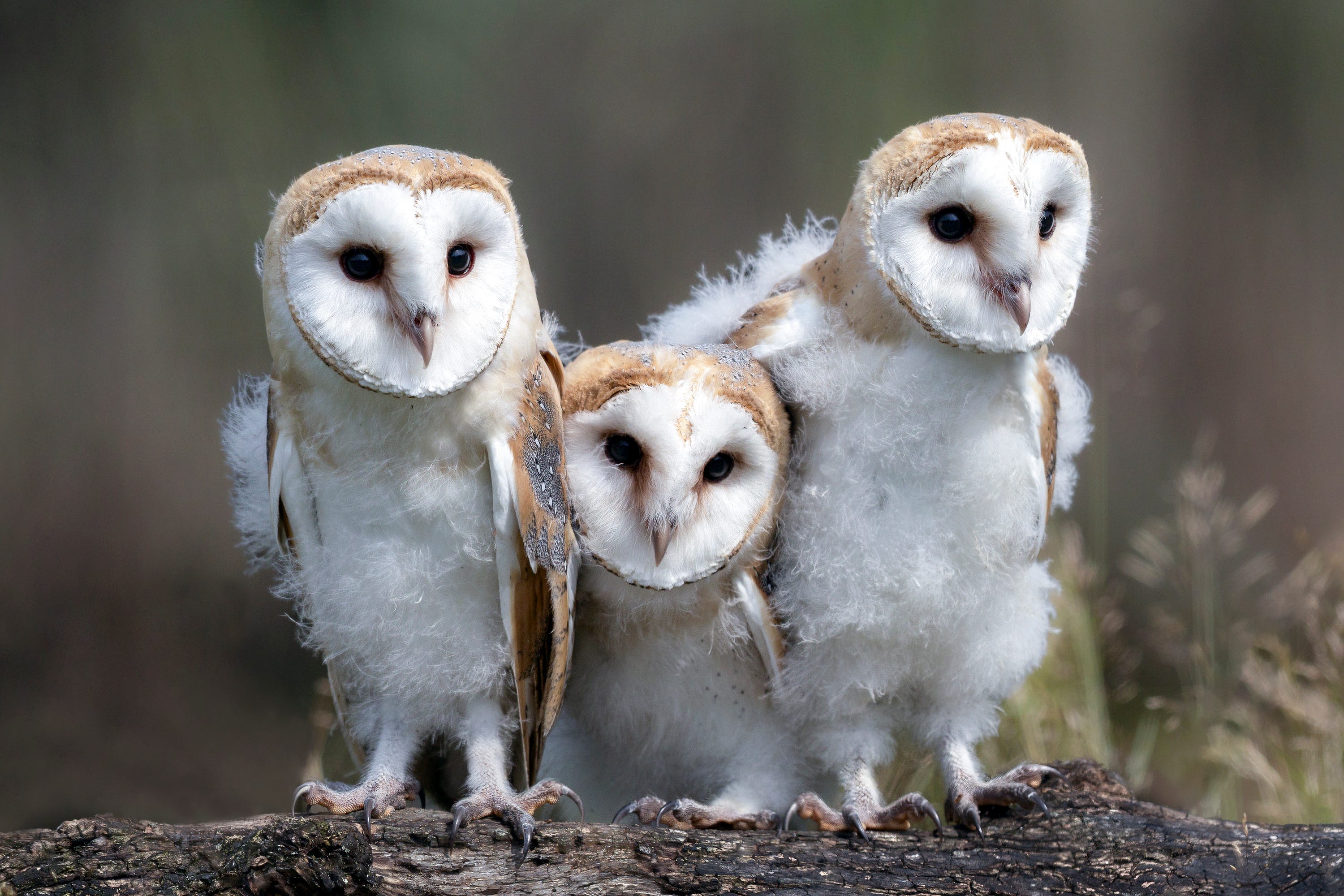
Barn owls are gifted with exceptional hearing—according to Holly, “the best of any animal tested!”—which they use to find prey in the dark.Marc Gengler / 500px - Getty Images
According to Robert, who is the lead ornithologist at the National Aviary in Pittsburgh, we have one species of barn owl on this continent, the aptly named American barn owl. “There are just 15 look-alike species of barn owls in the avian family Tytonidae in the world,” he adds. “That’s compared to some 230 diverse species in the family Strigidae, which includes all of the other owls in the world, including the familiar screech owl, great horned owl, and snowy owl.”
Although barn owls aren’t yet considered endangered, their numbers are declining in about half of U.S. states, Robert says—especially in the Upper Midwest and Northeast. That’s due largely to the commercial development of grasslands and the loss of small family farms, which offer critical habitat, like pastures and hayfields for hunting and old wooden barns and hollow trees for nesting.
That’s why it’s so helpful to install one or more barn owl nest boxes on your property, especially if you live in a rural area surrounded by open fields.
How to Set Up a Barn Owl Nest Box
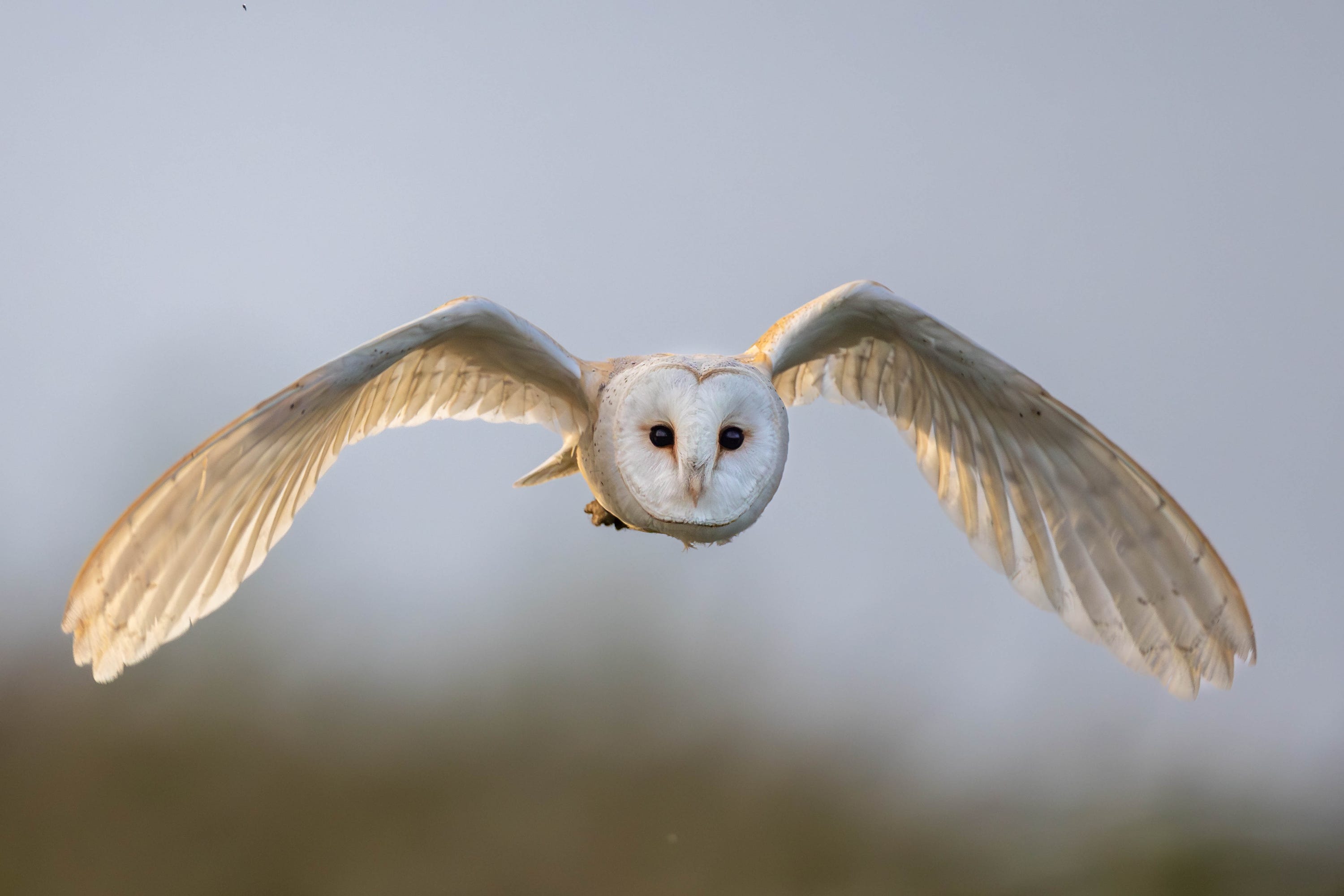
Exceptional hunters, barn owls are said to be capable of consuming some 3.000 rodents per family in a single breeding season.Stuart P / 500px - Getty Images
Barn owl nest boxes are most likely to attract visitors in rural areas with open fields nearby, where the birds can hunt. If you have a suitable location, you can build your own using DIY tutorials or purchase a box if you’re less handy.
Robert cautions that barn owls are very susceptible to collisions with vehicles, so it’s best not to attract them to an area where they must cross busy highways to reach hunting grounds. (When possible, planting hedgerows alongside roads can help prevent these unfortunate accidents.)
It’s best to locate nest boxes in a quiet part of your property, at least eight feet off the ground, and away from light sources. Barn owls are active at night, so by keeping them in the dark, you’re helping to protect them from predators. That includes other raptors, like great horned owls, bald eagles, and peregrine falcons, as well as mammals such as foxes and raccoons.
Setting up nest boxes away from your home will also ensure that you don’t disturb your new cohabitants, which could cause them to abandon the site, especially early in the nesting season (April to May). It will also keep them from disturbing you since, according to Holly, “Young barn owls makes a lot of noise when clamoring for food!”
If you do install a nest box, it’s a good idea to clean it at least once yearly, she adds. “Cleaning it out in the fall can help make sure it’s fresh and clean for the following nesting season.”
Why Barn Owls Are Good to Have Around
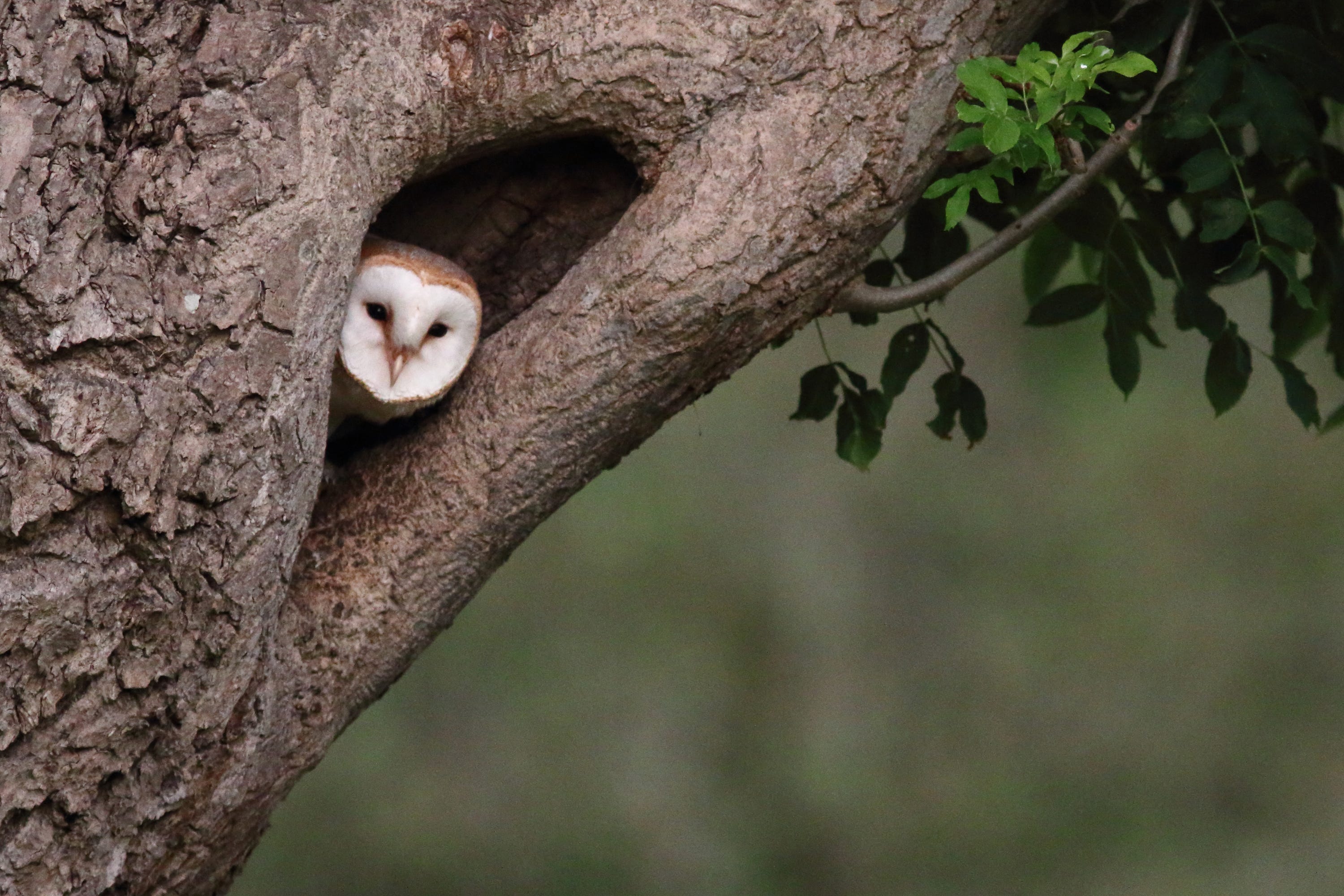
Barn owls not only nest in barns, but also tree hollows and nest boxes, especially when installed in dark, quiet locations at least 8 feet off of the ground.717Images by Paul Wood - Getty Images
There are some significant benefits to hosting a barn owl family on your property. The birds, which are about 10 to 15 inches tall and have a wingspan of 41 to 47 inches, are absolutely lovely, with pale cream coloring, a unique, heart-shaped face, and a long, downward-pointing bill. Spotting them in the wild is a rare treat, since they are nocturnal creatures, relying on their superb hearing to hunt. It’s more common to hear their distinctive call—rather than hooting like other owls, barn owls screech and hiss.
Because they hunt small mammals, barn owls are a blessing to agriculturalists or anyone doing battle with pests like rats and mice. An average family of barn owls can consume as many as 3,000 rodents during the course of a breeding season, and for this reason, farmers and golf course managers are using them as a nontoxic alternative to rodenticides in their pest control strategies.
Robert notes that research studies in some California vineyards showed that barn owls attracted to nest boxes cut the abundance of rodents in the vineyard in half.
“Another study estimated that two dozen barn owl families using nest boxes erected and monitored in a 99-acre vineyard in California for about $7,000 together consumed more than 30,000 rodents in three seasons,” he says. It would have cost the vintner as much as $200,000 to achieve a similar result using traps and poisons—which can also harm the barn owls doing the same job for far less.
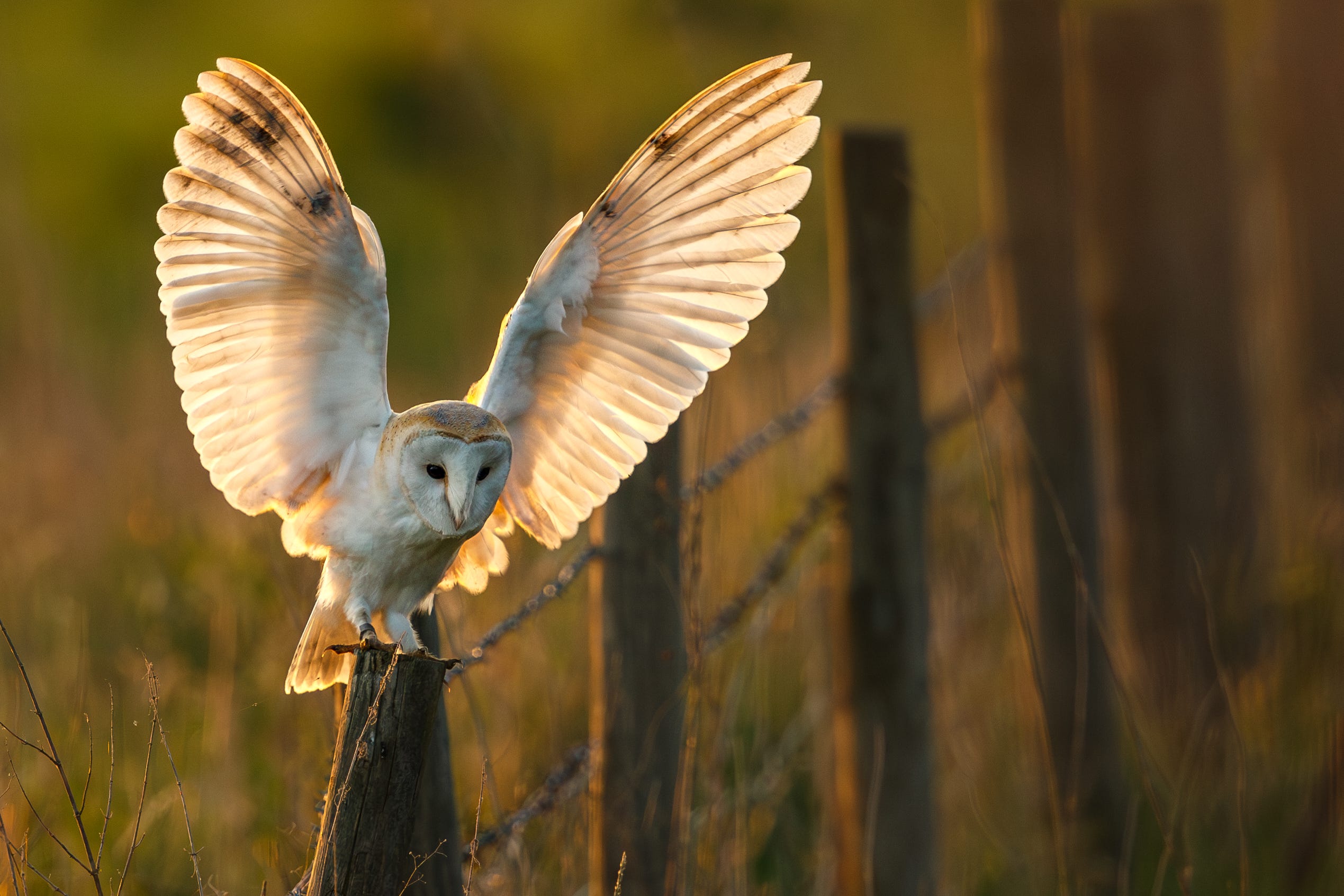
Barn owls are nocturnal creatures, so catching sight of one in daylight is a special event.Gavin Bickerton-Jones - Getty Images
While offering open hunting habitats and safe nesting cavities helps barn owls thrive on your property, ending the use of rodenticides is the most important thing you can do to help ensure their survival.
“Barn owls need an uncontaminated food supply, meaning rodents not poisoned by humans,” Robert says. “Sadly, a single meal of a poisoned rat or mouse is usually deadly to the adult or young barn owl that eats it. If they consume a rodent that’s is dying from the poison, the poison will kill them, too.”
Once You Set Up a Nest Box, Be Patient
Along with placing barn owl nest boxes in a quiet, dark location on your property, it’s helpful to remember that good things come to those who wait. Don’t get too impatient, or assume that just because you haven’t seen barn owls in the nest box, you won’t. And keep in mind that barn owls won’t nest closer than 100 feet from another barn owl nesting pair, according to Holly.
“So, if there’s another pair nesting nearby, they may be deterred from using your box if it’s installed within that radius to the other nest,” she adds. “Cavity-nesting birds typically use nest boxes when there is a scarcity of natural nesting space, and sometimes they choose nest boxes over natural nesting space, but it will still take a little time for them to find a brand-new box in the environment. Sometimes if boxes are placed in the fall, they may be used the following breeding season, but it’s not unusual for it to take a year or two until a pair finds and uses your box.”
You Might Also Like
30 Retro Baby Names That Are Making a Major Comeback
Amazon's Overstock Outlet Is an Under-the-Radar Spot for Affordable Decor
6 of the Loudest Dog Breeds that Love to Bark
Source: Nature



0 Comments