Animals You Could Get in Legal Trouble for Removing From Your Own Property
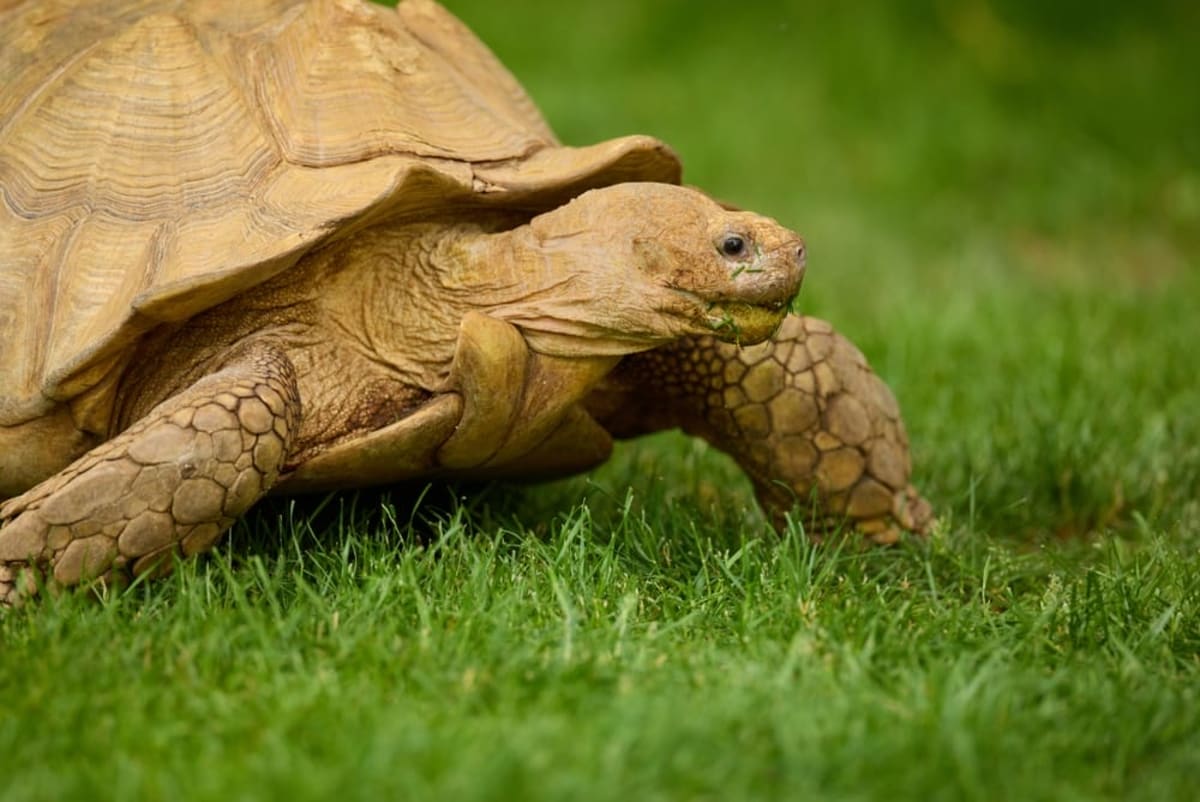
A homeowner’s property rights don’t override wildlife protections. Eagles, migratory birds, bats, tortoises, and other protected animals may require permits or authorized removal methods – Shutterstock
Owning a house doesn’t automatically make you the boss of every creature that wanders onto your land. A bird nesting above your porch, a bat colony in your attic, or a tortoise digging holes in your yard could create an unexpected legal headache.
Across the United States, federal and state wildlife laws protect certain animals, their nests, and sometimes the places they use for shelter. That means removing an unwanted visitor can involve more than calling an exterminator or grabbing a shovel. Some homeowners even need permits before disturbing animals living on their property.
Eagles: Even an Empty Nest Can Cause Trouble
An eagle building a nest in a tree near your driveway might look impressive until its location interferes with plans for a new garage. Unfortunately, property ownership doesn’t give homeowners permission to remove the nest. The federal Bald and Golden Eagle Protection Act protects both species, their eggs, and their nests.
Here’s a point that catches many people off guard: Eagle nests remain protected even when the birds aren’t using them. Removing, relocating, destroying, or obstructing a nest requires authorization from the U.S. Fish and Wildlife Service. Certain permits cover emergencies and qualifying safety concerns, but convenience alone won’t justify removal. Even an abandoned-looking nest can create a legal problem.
The Birds That Turn a Simple Yard Cleanup Into a Legal Question
A bird nest above a porch light or inside a frequently used shed can test anyone’s patience. Unfortunately, many familiar American birds receive federal protection under the Migratory Bird Treaty Act. The law covers numerous native migratory species, including Canada Geese, American Robins, Woodpeckers, and Great Blue Herons.
The rules generally prohibit capturing, killing, or possessing protected birds without authorization. Active nests containing eggs or dependent chicks also create legal complications. Homeowners shouldn’t assume they can knock down a nest simply because it sits on private property. However, federal rules include certain exceptions, including provisions for removing migratory birds from building interiors.
Keep a tire inflator in your car
Top up your tires at home or on the road with the OlarHike portable tire inflator. Rechargeable and 12V power options give you two ways to use it. Check Price on Amazon.
CleverDude may earn a commission if you buy through this link.
The distinction between a nest in a tree and one inside a building can change the available options. An inactive nest also raises different legal questions from one containing eggs or chicks. Before removing anything, check the species and applicable regulations. The Fish and Wildlife Service maintains the official list of protected migratory birds.
Bats: The Attic Isn’t Automatically Yours to Clear
Bats can turn an otherwise peaceful attic into a noisy nighttime gathering place. Unfortunately, some species, such as Indiana and Florida Bonneted Bats, receive particularly strong protections under federal endangered-species laws.
The Indiana bat is federally endangered, and the Florida Bonneted Bat also holds endangered status. The Endangered Species Act prohibits unauthorized actions that harm, capture, kill, or harass protected species. Certain habitat modifications can also qualify as illegal harm when they injure animals by disrupting essential activities such as breeding or sheltering.
Even homeowners dealing with ordinary bat colonies must check state regulations. Florida, for example, prohibits bat exclusions during its maternity season, generally April 16 through August 14. The state also prohibits poisoning and relocating bats. A one-way exclusion device can provide a legal solution during the permitted season.
A bat colony might sound like a pest-control emergency, but sealing an attic entrance prematurely can trap animals inside. Professional wildlife removal can help homeowners avoid both unnecessary animal deaths and expensive legal mistakes.
Reptiles That Can Complicate Yard Work
A homeowner in Florida might discover a gopher tortoise near the driveway or an alligator beside the backyard pond. Neither animal gives the owner permission to improvise a relocation plan.
Florida classifies gopher tortoises as threatened and protects their burrows, eggs, and the animals themselves. Moving a tortoise or disturbing its burrow generally requires authorization from the Florida Fish and Wildlife Conservation Commission. Even construction work within 25 feet of a potentially occupied burrow can trigger permitting requirements. Routine landscaping generally remains permissible if it doesn’t harm tortoises or collapse their burrows.
Alligators create a different problem. Florida operates a Statewide Nuisance Alligator Program that sends contracted trappers to handle qualifying complaints. Generally, an alligator measuring at least four feet qualifies when someone believes it threatens people, pets, or property. Only authorized nuisance alligator trappers may capture or remove these animals. Homeowners should call the state’s nuisance alligator hotline rather than attempt a backyard capture.
Large Wildlife That Doesn’t Have to Be Endangered
An animal doesn’t necessarily need endangered status to receive legal protection. Florida black bears demonstrate this particularly well. Although Florida removed them from its state threatened-species list, separate conservation rules still prohibit unauthorized capture, injury, killing, and possession.
Homeowners can legally use approved nonlethal methods to scare bears away. However, trapping or killing one generally requires authorization. Florida also recognizes specific exceptions involving imminent threats to human safety. A bear rummaging through garbage might be frustrating, but that doesn’t give the homeowner unrestricted authority to remove it.
Manatees and bottlenose dolphins receive federal protection under the Marine Mammal Protection Act. The law prohibits harassment, capture, injury, and killing without authorization. Harassment can include activities that disrupt normal behaviors such as feeding, breeding, nursing, and sheltering. A dolphin entering nearby coastal waters or a manatee approaching a private dock doesn’t become fair game simply because the water sits beside someone’s property.
Your Property Rights Have Wildlife Boundaries
Wildlife laws don’t mean homeowners must surrender their houses, gardens, or safety whenever an animal appears. Many regulations allow approved removal methods, seasonal exclusions, professional intervention, or special permits. The problem starts when someone assumes ownership of the land automatically grants ownership of everything living there.
Before removing an unfamiliar animal, identify the species and check federal, state, and local requirements. Contact your state wildlife agency when the rules aren’t clear. A licensed wildlife professional can also help identify legal removal options. If an animal presents an immediate danger, prioritize personal safety and contact the appropriate authorities.
Have you ever discovered an unexpected animal living on your property? Would you tolerate the visitor or immediately look for a legal way to relocate it?
CleverDude NewsletterGet your free car-repair cheat sheetSubscribe to the CleverDude newsletter and get the cheat sheet sent to your inbox.Send Me the Free Cheat Sheet
The post Animals You Could Get in Legal Trouble for Removing From Your Own Property appeared first on Clever Dude Personal Finance & Money.
Source: Nature



0 Comments